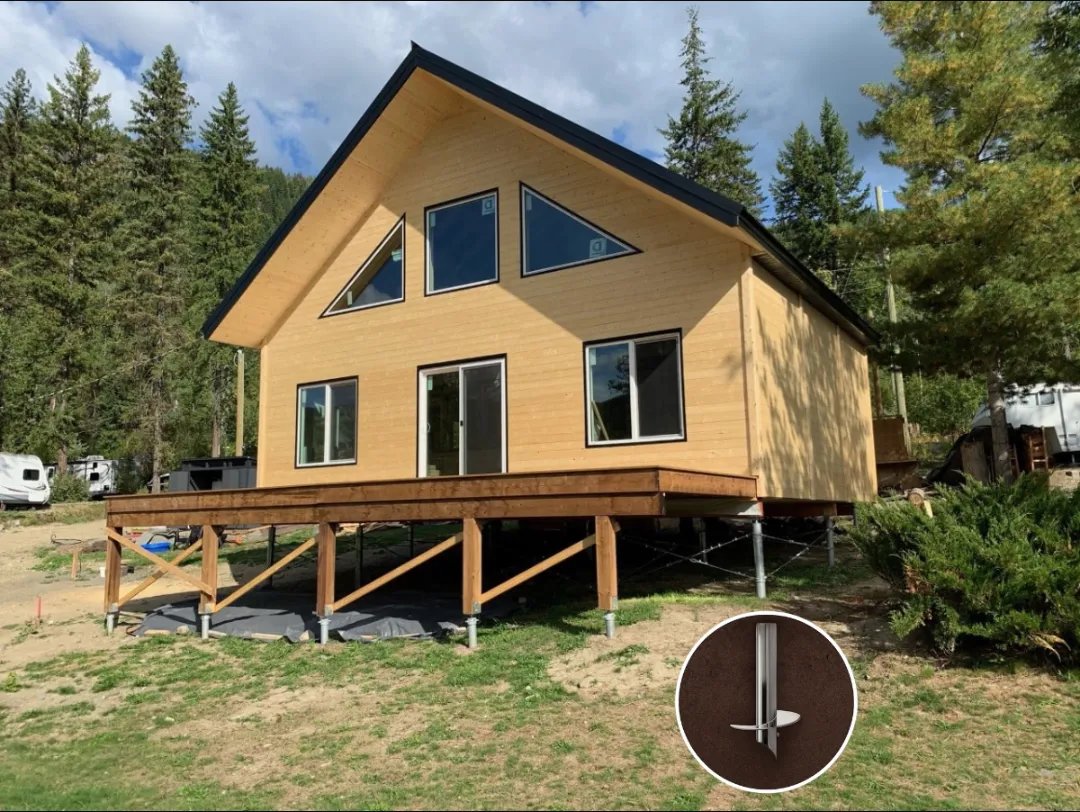
Postech Screw Piles: How Professional Installation Protects Your Investment
Postech Screw Piles: How Professional Installation Protects Your Investment
A foundation problem can drain your wallet fast. Whether you're building on challenging soil in Halton or working with an older property that needs reinforcement, the foundation beneath your structure is everything. Screw piles have become the smart choice for homeowners and contractors who need reliable, long-lasting support, but here's what many people don't realize: the equipment is only half the story. How those screw piles get installed matters just as much as the piles themselves. This guide walks you through what professional installation really means and why it protects your investment for decades to come.
What Are Screw Piles and How Do They Work?
Screw piles, also called helical piles, are large metal shafts with helical flights (think of a giant wood screw) that twist into the ground. As they turn, they move soil aside and compress it, creating a foundation anchor that doesn't rely on digging a deep hole. The flights grip the soil around them the same way a screw grips wood.
Unlike traditional concrete footings that can settle or crack, screw piles work with the soil instead of against it. They reach down to stable, undisturbed layers and lock in place. For properties in the Halton region, where soil conditions vary from clay to bedrock to sandy areas near the escarpment, this flexibility is a huge advantage.
The piles come in different diameters and with different flight patterns. A contractor chooses the right size and design based on soil testing and the load the foundation needs to carry. That's where expertise comes in.
Why Does Professional Installation Matter? (Featured Snippet)
Professional screw pile installation ensures proper soil engagement, correct load capacity, and a foundation that won't settle or shift. Trained installers use precise equipment, conduct soil tests, and follow engineering specs. This protects your building from structural damage, settling, and costly repairs down the road.
The difference between a DIY attempt or a rushed job and professional installation shows up years later, sometimes in subtle ways: a door that sticks, cracks in the foundation, water seeping into the basement. By then, you're looking at tens of thousands in repair work. Professional installation gets it right the first time.
What Happens During Proper Screw Pile Installation
Before any pile goes in the ground, a licensed contractor runs a site assessment. They test the soil, identify the depth of stable layers, and calculate how many piles you need and how deep they should go. This is the foundation (literally) for everything that follows.
Once the design is set, the installation crew arrives with specialized equipment. A hydraulic drive unit clamps onto each pile and rotates it into the ground, monitoring torque and depth as it goes. The operator watches for changes in soil resistance that tell them when they've reached the right layer. This takes skill and attention, not just brute force.
After each pile is set, a licensed surveyor checks the final height and position to make sure everything is where the engineer specified. Tolerances matter. A pile that's an inch off in height or angle can throw off load distribution across the foundation.
Common Installation Mistakes and How to Avoid Them
In our experience serving the Halton region, we see property owners run into trouble when they skip steps or rush the process:
Skipping soil testing and guessing at depth or pile size
Installing piles without a professional survey or engineer's plan
Using equipment that's wrong for the soil type
Not checking piles during and after installation to confirm they're set correctly
Assuming one pile size works everywhere, even though Halton's soil varies widely
Each of these mistakes can compromise the foundation and leave you vulnerable to settling, cracking, or structural damage. Professional contractors won't cut these corners because they know the cost of doing it wrong.
Screw Piles vs. Traditional Concrete Foundations
Concrete footings, the most common foundation method, require digging deep holes and pouring concrete below the frost line. They work fine in many cases, but they have limitations. If you have bedrock close to the surface, high water tables, or unstable soil, concrete becomes expensive or impossible.
Screw piles solve these problems. They can be installed on sites where traditional methods don't work. They require less digging and less disruption to the surrounding area. They can be adjusted or extended if needed, and they're reusable if a building is ever dismantled. For builders and homeowners who value flexibility and durability, screw piles often make the most sense.
Choosing the Right Screw Pile Contractor
Not every foundation contractor has the expertise to install screw piles correctly. You want someone who:
Has licensed engineers on staff or on retainer
Uses calibrated equipment with torque monitoring
Can show you past projects and references
Understands local soil conditions and building codes in Halton
Provides written documentation of testing, installation depths, and final surveys
Offers a warranty or guarantee on their work
Ask for evidence. A reputable contractor will share soil reports, engineering plans, and photos from similar jobs in your area. They'll explain their process and why they're specifying a particular pile size or depth. If someone can't answer these questions clearly, look elsewhere.
Getting a professional assessment is the smart first step. Contact Postech Halton for a free site evaluation and you'll get a clear picture of what your foundation needs before you commit to anything.
Cost and Return on Investment
Screw piles typically cost more upfront than shallow concrete footings, but the comparison is misleading. If traditional methods won't work on your site, the real cost of a concrete foundation becomes site preparation, special excavation, and sometimes structural workarounds that push the price well above screw piles.
The return on investment shows up in durability and peace of mind. A properly installed screw pile foundation lasts 50 years or more with minimal maintenance. You won't face settling, frost heave, or the water issues that plague concrete foundations in freeze-thaw climates like ours.
That stability protects your property value. A solid foundation is one of the first things a home inspector checks when someone's buying a property, and it directly affects resale value.
Why Halton Properties Benefit from Screw Piles
The Halton region's geology is mixed. Some areas have dense clay, others have sand and gravel, and parts sit on or near the Niagara Escarpment with bedrock close to the surface. This variability makes screw piles especially valuable here. They adapt to whatever soil conditions you have, whether it's a property along the escarpment or a lot in an urban neighborhood built on fill.
Our freeze-thaw winters are another reason screw piles shine. Traditional concrete footings can heave in winter as groundwater expands. Screw piles that reach below the frost line and lock into stable soil don't move, which keeps your foundation stable year after year.
Frequently Asked Questions
How long do screw piles last?
A properly installed screw pile can last 50 years or longer. The steel shaft resists corrosion, and because it's locked below the frost line in stable soil, it won't heave or shift with seasonal changes. As long as the ground around it stays undisturbed, the pile keeps working without maintenance.
Can screw piles work in all soil types?
Screw piles are highly adaptable and work in most soil conditions, including clay, sand, gravel, and even near bedrock. The key is proper soil testing and design. Very soft soil or loose fill can require adjustments, which is why a site assessment before installation is critical. That's why an engineer sizes and specifies each pile for the specific conditions on your property.
How do I know if my property needs screw piles?
Signs you might benefit from screw piles include bedrock near the surface, high water tables, unstable or filled soil, or an existing foundation that's settling or cracking. The only way to know for sure is a professional assessment. Learn more about Postech's foundation services or reach out for a consultation.
Key Takeaways
Screw piles are a proven alternative to traditional concrete foundations, especially on challenging sites
Professional installation includes soil testing, engineering design, skilled equipment operation, and final verification
Cutting corners on installation creates long-term risk of settling, cracking, and expensive repairs
Halton's variable soil and freeze-thaw climate make screw piles an ideal choice for many properties
Proper installation protects your investment and adds to your property's value and durability
Your foundation is too important to leave to chance. If you're building a new structure, repairing an old one, or reinforcing an existing foundation in Halton, professional screw pile installation is the smart investment. It costs more upfront than some methods, but the durability, reliability, and peace of mind you get back make it worth every dollar.
Ready to find out if screw piles are right for your property? Call Postech Halton at (905) 906-3130 to schedule a free consultation and site evaluation. Our team will assess your soil, explain your options, and show you how professional installation protects your investment for decades to come.


