What Is a Screw Pile? A Complete Guide to Modern Foundation Technology
A practical introduction to screw pile foundations
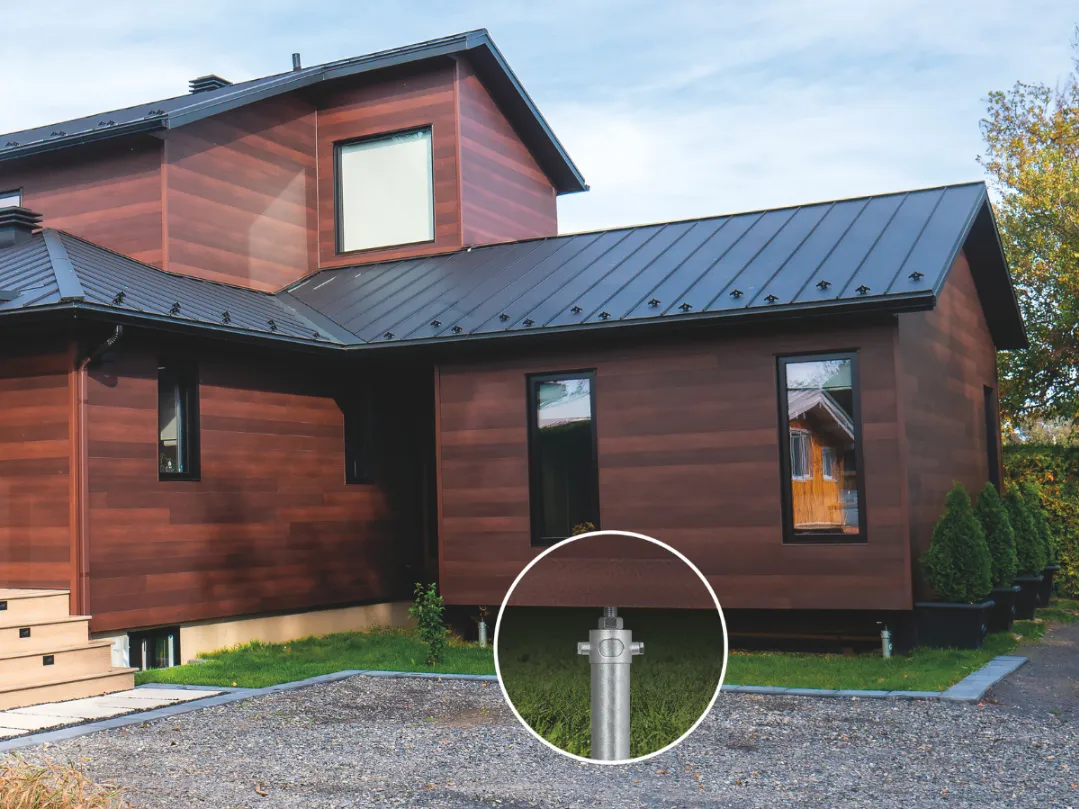
A screw pile is a foundation system that spirals into the ground like a giant corkscrew, securing your structure without extensive excavation or concrete. It sounds simple, but the engineering behind it solves real problems for homeowners and contractors across Ontario, especially in areas like Halton where soil conditions and seasonal frost demand a reliable, long-term solution.
In our experience serving the Halton region, screw piles have become the choice for clients who need a fast, clean, and effective way to build strong foundations. Whether you're planning a new home, adding a deck, or stabilizing an existing structure, understanding what screw piles are and how they work will help you make the right choice for your project.
Screw Piles at a Glance
A screw pile (also called a helical pile) is a foundation system consisting of a steel shaft with helical blades attached. The shaft is literally screwed into the ground by rotating it, much like turning a screw into wood. Once installed to the proper depth, the pile anchors your structure and transfers its weight deep into stable soil layers. No digging. No concrete trucks. Just engineered stability that lasts.
For a closer comparison of the two foundation methods, see how helical piles compare to traditional concrete footings for Halton projects.
How Screw Piles Actually Work
The mechanics are straightforward. A specialized drilling rig or manual installation tool rotates the screw pile into the earth. As it turns, the helical blades grip the soil and push the pile downward. The rotation continues until the pile reaches a depth where the soil can reliably support your load. For most residential projects in Halton, that's typically 4 to 8 feet, though deeper installations are common in areas with weaker upper soil layers.
The beauty of screw piles lies in their adaptability. Unlike concrete footings that must be poured and cured, screw piles achieve their final bearing capacity immediately upon installation. You can start building the same day. The steel shaft remains in the ground, and your structure connects to it via a head bracket that bolts securely to the pile.
Why Soil Type Matters
Screw piles work best in soil that the helical blades can grip: clay, silt, sand, and gravel all respond well. However, soil conditions vary significantly across Halton. Areas near the escarpment or in older glaciated zones may have dense clay or rocky soil that requires different pile designs or deeper installation. This is why professional assessment is essential before you commit to a design.
The Advantages of Screw Piles for Halton Homeowners
Speed. Installation takes hours or days, not weeks. You move to the next phase of your project immediately.
Minimal Disruption. No massive excavation, no concrete disposal, no machinery tearing up your property or neighbors' yards.
Winter Installation. Screw piles work in frozen ground when traditional concrete footings would fail. In Halton's climate, that flexibility is valuable.
Adjustability. If you need to relocate a pile slightly, or if soil testing reveals you need to adjust depth, it's far simpler than jackhammering out a concrete footing.
Cost Efficiency. For many projects, screw piles cost less than excavation, concrete, and curing time. Over a building's lifetime, the durability and low maintenance add to that savings.
Environmental. Zero concrete waste. Zero chemical curing. A cleaner installation process from start to finish.
Freeze-Thaw Resistance. Ontario winters are tough on foundations. Screw piles installed below the frost line eliminate the heave and settling problems that plague shallow footings.
Common Applications for Screw Pile Foundations
Screw piles aren't limited to one type of project. We've installed them for residential home foundations and additions, decks and raised structures, sheds and garages, docks and waterfront structures, industrial and agricultural buildings, and accessibility ramps and stairs. The common thread is simple: any structure that needs a strong, reliable, quick-to-install foundation is a candidate for screw piles.
The Installation Process: What to Expect
Installation typically follows this sequence:
Site Assessment. An engineer or experienced installer evaluates soil conditions, frost line depth, and load requirements. Soil testing may be done to confirm bearing capacity.
Layout and Positioning. Pile locations are marked according to the structural design. Accuracy matters.
Installation. A specialized rig (or manual torque wrench for lighter loads) rotates each pile into the ground to the target depth. This typically takes 30 minutes to an hour per pile, depending on soil and pile size.
Testing and Verification. Once installed, a torque measurement confirms the pile has achieved proper bearing. Some projects require proof testing.
Head Connection. A steel bracket is bolted to the top of each pile, ready for your structure to attach.
Screw Piles vs. Traditional Concrete Foundations
Concrete footings have been the standard for generations, but they come with real constraints. Digging a footing below the frost line in Halton means going 4 to 5 feet deep in many areas. That's excavation, soil displacement, time, and cost. You pour concrete, wait for it to cure (often 28 days), and then hope you didn't have any frost heave or settling during that waiting period.
Screw piles skip most of those steps. No digging means no excavation costs or site disruption. No concrete means no curing delay. No seasonal frost heave because the pile is anchored deep. For projects where timeline and minimal disturbance matter, screw piles win decisively. That said, concrete footings still make sense for large building projects or conditions where screw piles aren't ideal. The best choice depends on your specific soil, budget, timeline, and local building codes.
Screw Pile Considerations for the Halton Region
Halton's geology is a mix of glacial deposits, clay layers, and bedrock. Some areas have excellent bearing soil near the surface. Others require piles to go deeper to find stable ground. The frost line in our region typically reaches 4 to 5 feet, which means proper screw pile installation must account for that depth.
We've also found that Halton homeowners appreciate the environmental efficiency of screw piles, especially in water-sensitive areas near Lake Ontario or the various conservation areas. Because there's no concrete curing and no groundwater disturbance, screw piles fit well with Halton's commitment to sustainable development.
Building permits and code compliance are straightforward. According to the Ontario Building Code, screw piles are recognized as a valid foundation method, provided the installation is done by someone who understands the requirements and obtains proper engineering certification if needed.
Frequently Asked Questions
How deep do screw piles need to go?
Depth depends on soil conditions, frost line, and load. In Halton, most residential piles go 4 to 8 feet. A geotechnical assessment or soil test confirms the right depth for your site.
Can screw piles be installed in winter?
Yes. This is actually a major advantage in Ontario. Unlike concrete, screw piles work in frozen ground. They're an excellent choice for year-round building projects.
How much maintenance do screw piles require?
Minimal. The steel shaft is buried and protected from corrosion. Periodic inspection every 5 to 10 years is good practice, but rust and decay are not typical concerns for properly installed piles.
Get Your Screw Pile Foundation Installed by Postech Halton
If you're planning a foundation project in Halton and want a fast, reliable, and cost-effective solution, screw pile installation from Postech Halton is worth exploring. Our team has years of experience with local soil conditions and building code requirements. We handle everything from initial site assessment to final installation and inspection, so you can move forward with confidence.
Whether you're building a new home, adding an accessory structure, or reinforcing an existing foundation, screw piles offer a modern, proven alternative to traditional methods. The speed, durability, and minimal site disruption make them the smart choice for homeowners and contractors across the region.
Ready to learn more? Contact Postech Halton today to request a free assessment of your property, or call us at +1 (905) 537-6113 to discuss your foundation needs with one of our experienced professionals. We're here to help you build a foundation that lasts.


